



Related Products


Available on backorder

Available on backorder
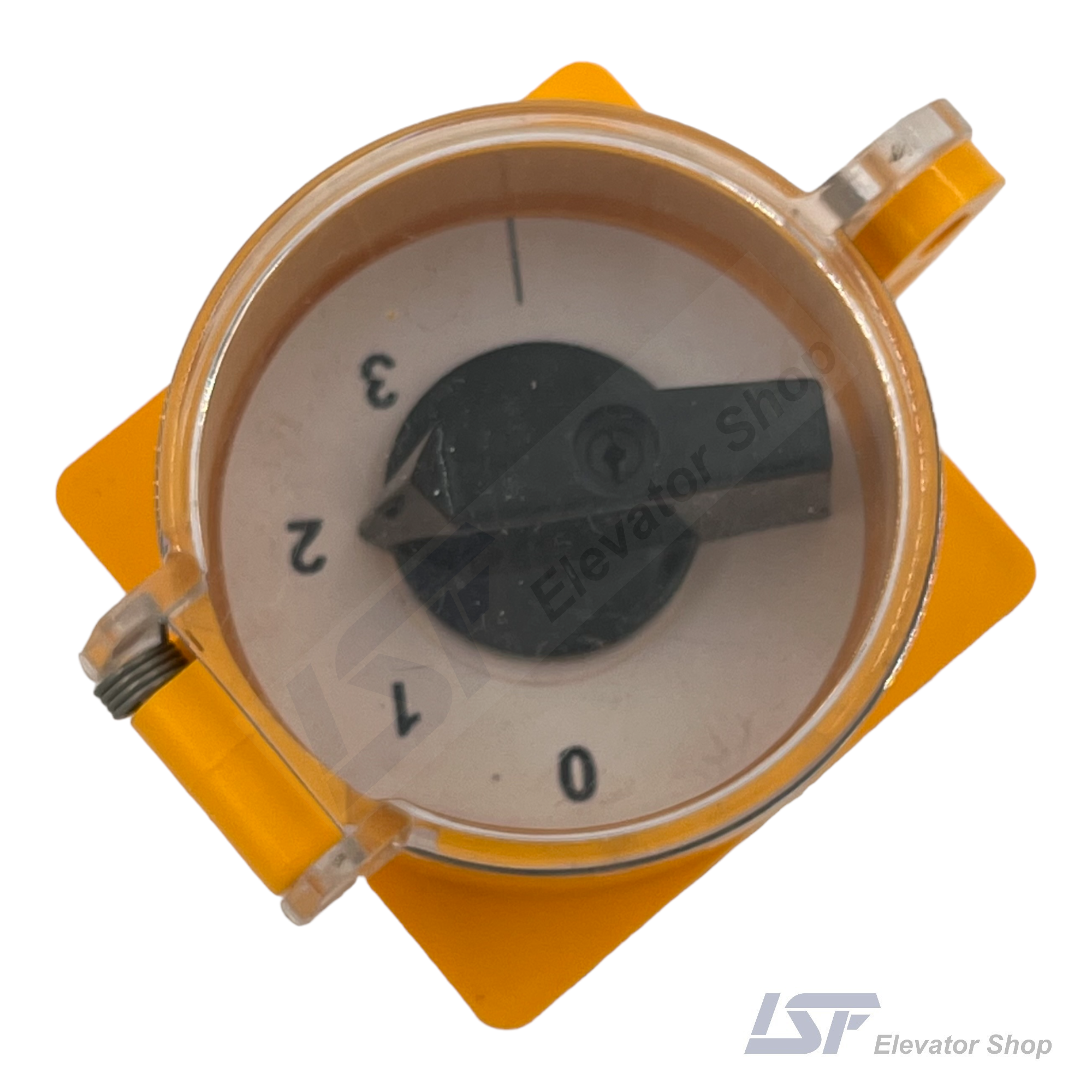
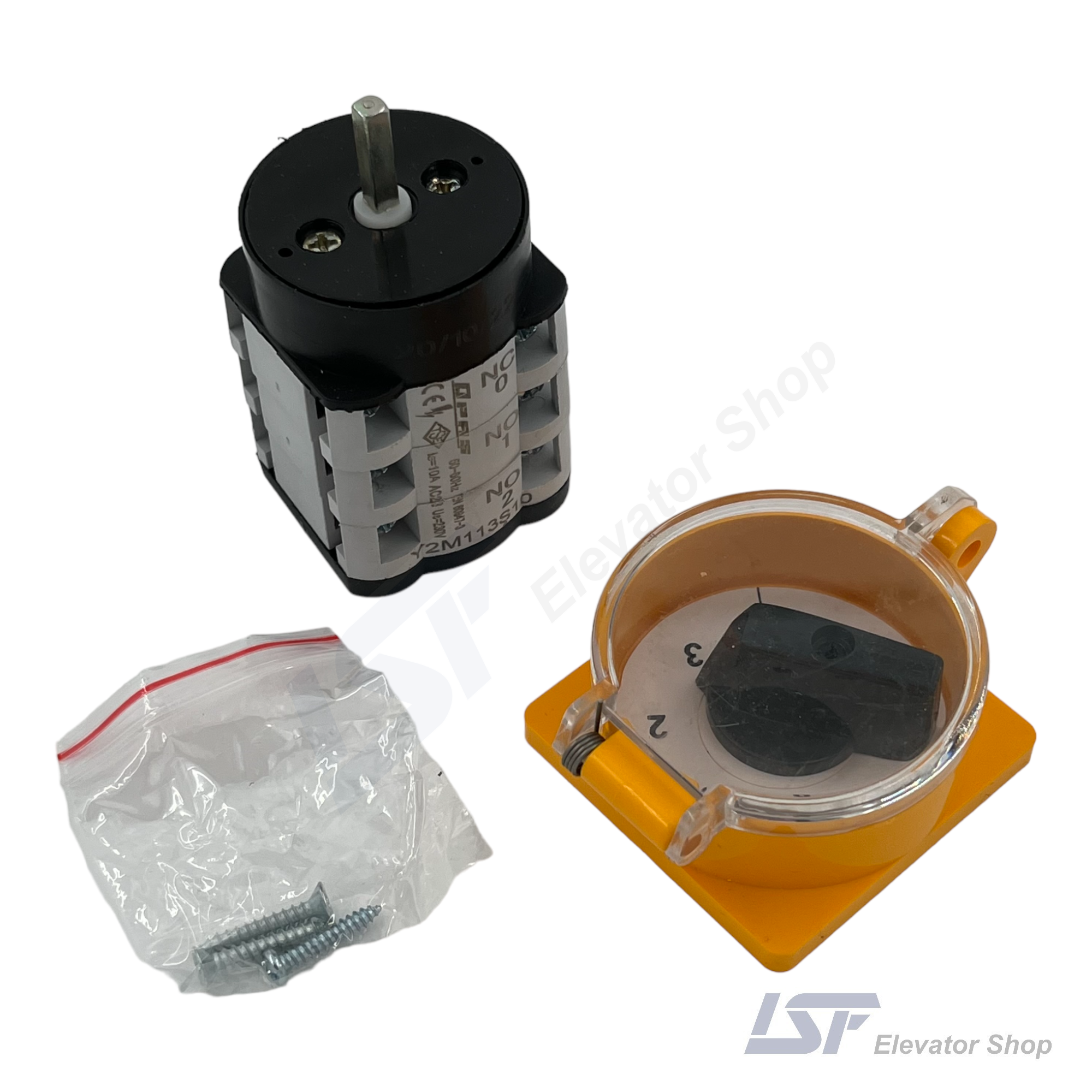
Ensure EN 81-20 compliance with the Y2M Elevator Bypass Switch (Y2M113S10). Featuring a 3-position rotary mechanism, IP65 protection, and a yellow safety guard, this device enables safe bridging of landing and car door circuits for professional lift maintenance.
Guaranteed Safe Checkout
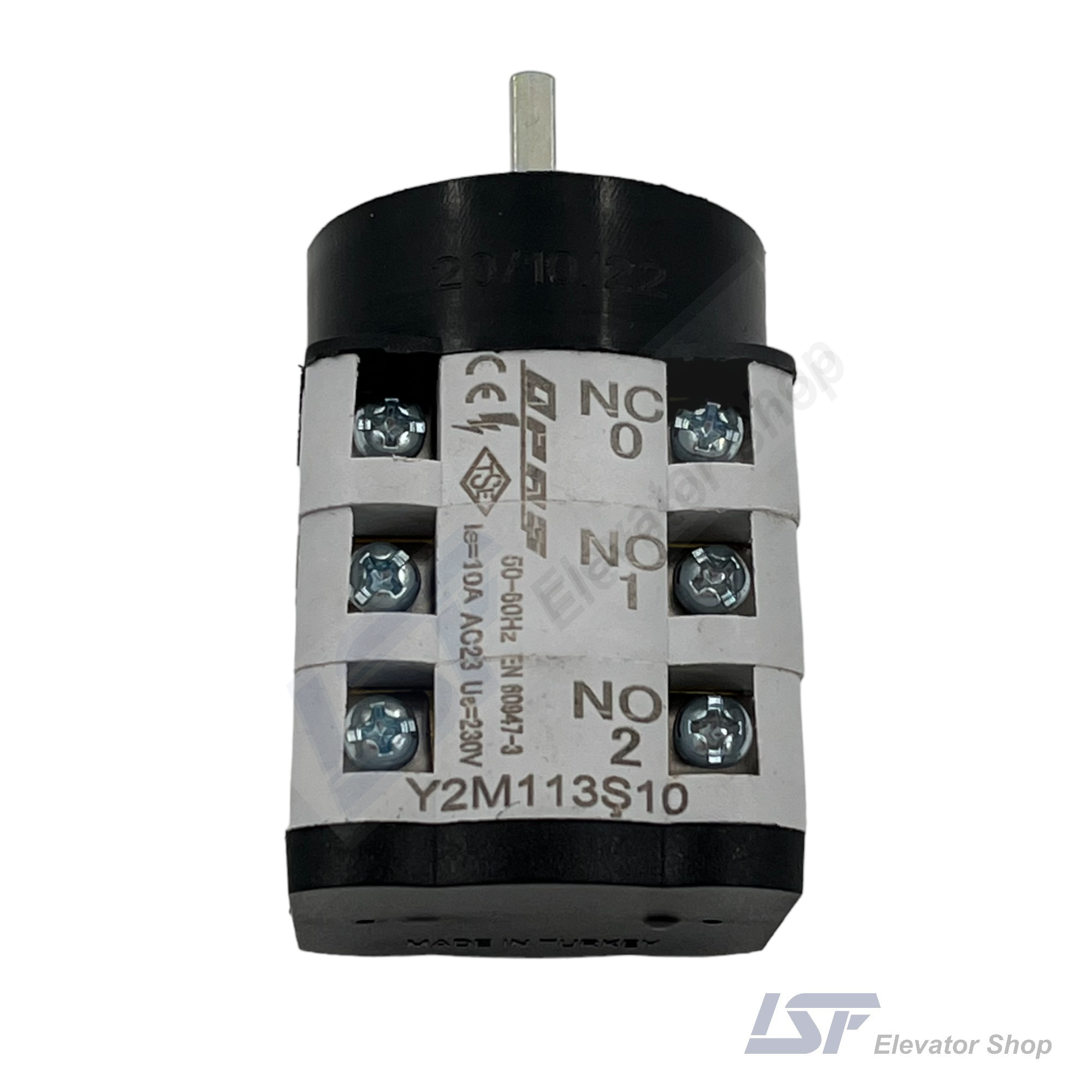
The Y2M Safety Bypass Switch is a critical maintenance component designed to meet the rigorous safety requirements of EN 81-20/50 standards. This 3-position cam switch allows authorized technicians to temporarily bridge (bypass) elevator door safety circuits during maintenance and inspection operations, ensuring efficient troubleshooting while maintaining strict control over the lift’s safety loop.
| Specification | Detail |
|---|---|
| Brand | Y2M |
| Positions | 3 (Normal / Landing / Car) |
| Rated Voltage/Current | 380V / 10A |
| Protection Class | IP65 (Dust & Water Resistant) |
| Housing Material | Metal |
| Dimensions | 7 x 7 x 8 cm (Compact) |
| Standard Compliance | EN 81-20 / EN 81-50 |
| Approximate Price (EUR) | – |
The Y2M Bypass Switch is an essential tool for modern elevator control systems, particularly those adhering to EN 81-20 regulations. It is typically installed in shaft pit inspection panels, machine room emergency panels, and test stations. The switch provides a controlled method for bypassing door locking contacts, allowing technicians to move the car for maintenance purposes even when a door contact is open or faulty.
Operational Logic & Safety: The switch operates with a 90° rotary movement, offering clear tactile feedback between positions.
Maintenance Schedule: To ensure continuous safety, the switch itself requires periodic checks:
| Maintenance Type | Interval | Action Required |
|---|---|---|
| Visual Control | Monthly | Check switch integrity and cover condition. |
| Functional Test | Every 3 Months | Test proper bridging in each position. |
| Contact Cleaning | Every 6 Months | Inspect and clean contact points. |
| Mechanical Check | Annually | Verify locking mechanism and rotation. |
Important Safety Warnings:
The switch allows technicians to temporarily “bridge” (bypass) the safety circuits of the elevator doors. This is necessary to move the elevator car during maintenance or troubleshooting when a door contact is open or malfunctioning, as required by EN 81-20 standards.
No. When the switch is in a bypass position, the elevator should only be operated in Inspection Mode or Recall Mode. Normal automatic operation with passengers is strictly prohibited and unsafe while safety circuits are bridged.
It is most commonly found in the control panel (machine room or MRL cabinet) or the emergency and inspection panels located in the elevator pit, allowing easy access for technicians during shaft work.
If left in a bypass position, the elevator’s safety chain remains bridged, meaning the lift could technically move even if a door is open. This is a critical safety risk. Therefore, post-installation checks and strict maintenance protocols require verifying the switch is returned to “0” (Normal) before putting the lift back into service.
| Weight | 0,2 kg |
|---|---|
| Dimensions | 7 × 7 × 8 cm |


Reviews
There are no reviews yet.